
Common Tarot Misconceptions And Tarot Reading Accuracy
Let’s be honest—most people approach tarot reading with a few pretty big tarot misconceptions floating in their heads. Whether it’s assuming the cards will tell you your future, fearing that a “bad” card means disaster, or thinking you can test the process like a math exam, these misunderstandings can wreck your experience before it even begins.
If you’ve ever walked away from a tarot session feeling confused or disappointed, chances are one of these false ideas got in your way. Let’s clear them up right now so you can get real value from your future readings.
Tarot Misconception #1 : A Tarot Reading Should Predict the Future
This is the biggest misunderstanding around. Tarot isn’t fortune-telling. It doesn’t spit out the name of your soulmate or the date you’ll land your dream job.
Tarot reflects current energy and emotional patterns. It shows what’s happening under the surface—motivations, blocks, and direction—but it still leaves the final call to you. Your actions shape outcomes. The cards can guide and illuminate, but they won’t dictate fate.
If you’re expecting to be told exactly what will happen next, you won’t just be disappointed—you’ll miss the real insight tarot offers.
“Intuition is the ability to acquire knowledge without recourse to conscious reasoning. Different fields use the word “intuition” in very different ways, including but not limited to direct access to unconscious knowledge; unconscious cognition; inner sensing; inner insight to unconscious pattern-recognition; and the ability to understand something instinctively, without any need for conscious reasoning.” – Wikipedia
Tarot Misconception #2 : Certain Cards Are “Bad” or Always Mean Disaster
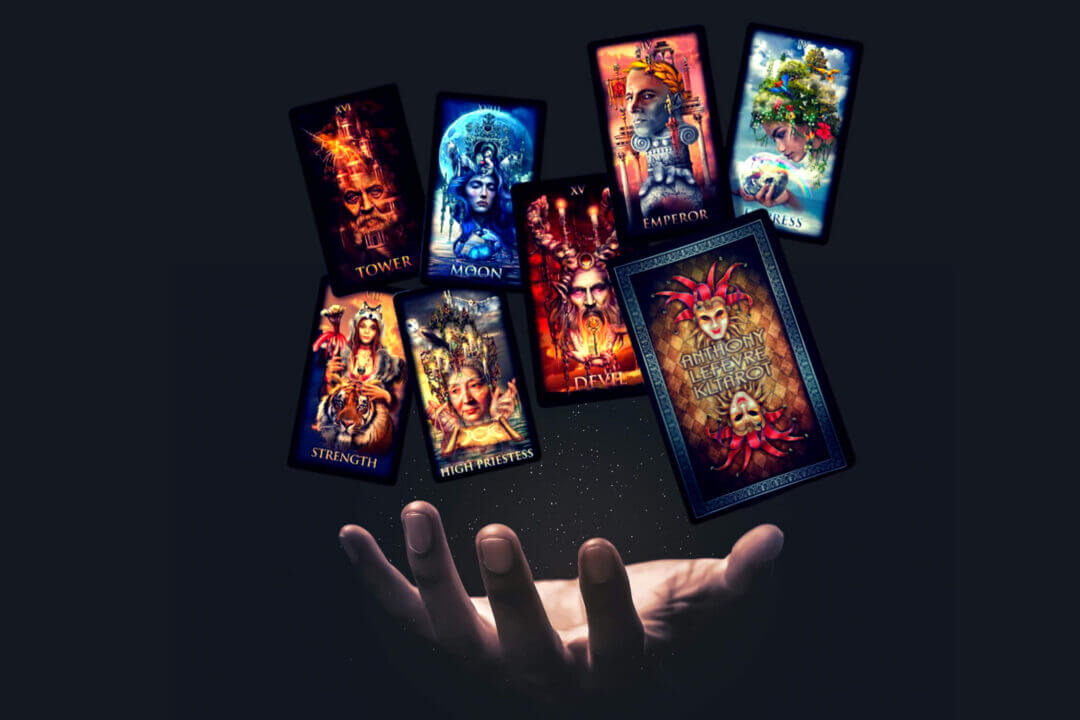
Let’s set this straight. A card like Death doesn’t mean someone’s going to die. The Tower doesn’t mean your life is about to explode. These cards are symbolic—not literal—and they often point to emotional breakthroughs or necessary shifts that are long overdue.
In an accurate tarot reading, context is everything. A so-called “scary” card may represent a painful truth, but it might also point to breakthrough, freedom, or major clarity. If you walk into a reading fearing the cards instead of engaging with them, you’re more likely to misread or reject the message altogether.
Tarot Misconception #3 : Accurate Tarot Means Always Feeling Good
Sometimes, an accurate reading stings. Not because it’s wrong, but because it’s true—and you weren’t ready to hear it.
Accuracy isn’t about comfort. It’s about resonance. A message can be delivered gently or directly, but if it reflects what you’ve been sensing deep down, that emotional shift is proof it’s hitting the mark. When the cards call out avoidance, codependency, emotional burnout, or procrastination, it’s tough medicine—but it’s also your cue to grow.
Getting defensive or dismissive often signals that your ego feels exposed, not that the reading missed the mark.
Tarot Misconception #4 : If the Message Doesn’t Make Sense Immediately, It’s Inaccurate
Sometimes, last week’s reading hits you days or even weeks later with sudden clarity. That’s because not all insight lands instantly. Tarot reveals patterns you may not be ready to fully face in the moment.
If something doesn’t click straight away, sit with it. Journal it. Let it sit in your system instead of demanding an instant breakthrough. An accurate reading might stir discomfort before creating clarity. That delay doesn’t mean it’s off. It means your understanding is still unfolding.
Tarot Misconception #5 : You Can “Test” a Tarot Reader by Being Vague or Dishonest
If you show up guarded, give no context, and then expect a reading that’s both wildly accurate and deeply personal, you’re putting the reader in a straightjacket. Tarot is a mirror—not a guessing game. The clarity you get reflects the energy you bring.
It’s not about “proving” the reader’s power. It’s about whether they can co-create insight with you through honest emotional conversation. Testing instead of trusting usually leads to shallow or generic results—even from the most skilled practitioners.
Tarot Misconception #6 : All Tarot Readers Work the Same Way
Just like therapists, teachers, or spiritual guides, tarot readers have different styles, skills, and levels of depth. Some focus on intuitive storytelling, others are more psychological, and some lean deep into symbolism and archetypes.
An accurate reading is less about universal style and more about your resonance with the reader’s way of working. If the vibe isn’t aligned, even a technically skilled reader won’t hit home for you. That doesn’t make tarot fake—it means the chemistry wasn’t there.
Tarot Misconception #7 : Once a Reading Is Done, the Insight Has Expired
You’re not meant to treat tarot like a one-time fix or ticking clock. The messages don’t vanish the moment you walk away. A good reading gives you themes, reflections, and action points that may unfold slowly. It’s not invalid just because the card didn’t make sense on day one.
Revisit the reading when you’re calmer. Notice if the themes show up in different areas of life. Insight works like a seed—it takes root before you fully see the growth above ground.
Replace Misconception With a Clearer Model
If you want accurate insight, swap old myths with this mental model:
- Tarot is spiritual pattern recognition — not fortune telling
- Cards reflect your current energy, not future certainties
- Insight lands emotionally — not always intellectually
- Truth may feel uncomfortable — but that’s part of healing
- Accuracy is about alignment, not entertainment
ADDITIONAL RELATED ARTICLES :
Why This Matters in Malaysia
In Malaysia, misconceptions about tarot still carry extra weight. Cultural taboos, religious tension, and public scepticism can lead to flat-out dismissal or guilt around spiritual practices like tarot. When outdated myths fuel that shame, it stops people from accessing the healing and self-awareness that’s actually available.
The more you understand what tarot truly offers, the more powerfully you can engage with it. Not as something magical or forbidden, but as something meaningful, grounded, and human. When you drop the myths, what’s left is a clear mirror—and sometimes, that’s all you really need.